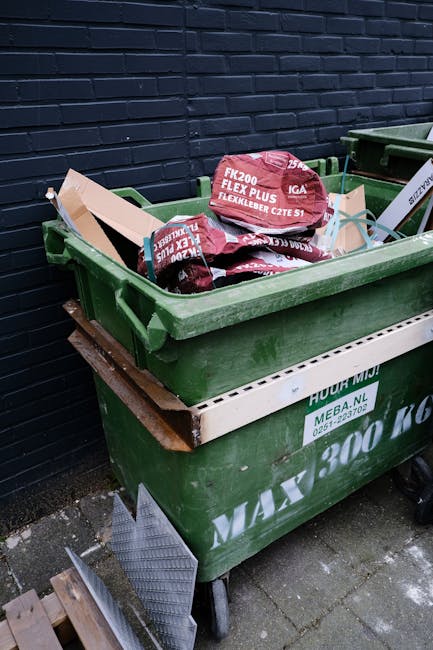
Temple Tube Rubbish Collection Guide for Quick Clearances
If you need a Temple tube rubbish collection guide for quick clearances, you are probably dealing with the sort of mess that just cannot wait. Maybe it is post-refurb rubble, a stack of office waste, a garden pile-up, or a last-minute clear-out before tenants move. Whatever the situation, quick clearance is usually about two things: removing waste fast and doing it in a way that does not create extra headaches later.
This guide breaks down how rubbish collection works in Temple, what type of clearance method suits different jobs, what to avoid, and how to keep the process smooth from the first phone call to the final sweep-up. It is written for real-life situations, not theory. To be fair, that is usually what people need most when the bins are full and the clock is ticking.
Why Temple tube rubbish collection for quick clearances matters
Fast rubbish collection is not just about convenience. In busy parts of London, waste can get in the way of trades, delay move-outs, block access, and create safety issues around front steps, shared entrances, and tight side passages. If waste sits around for too long, it can also become harder to sort, harder to load, and more expensive to remove.
Temple has its own rhythm. It is a central, high-footfall part of the city where access can be awkward, parking can be limited, and timing matters more than most people expect. A clearance that works in a suburban driveway may be a terrible fit here. That is why quick clearances need a plan, not just a van and a vague hope for the best.
There is also the human side of it. If you have ever stood in a dusty room with broken furniture, bags of old files, and a smell of damp cardboard in the air, you know how quickly a clear-out can become mentally draining. A clean, efficient rubbish collection gives you your space back. And honestly, that feeling is hard to beat.
For larger or mixed loads, many customers compare approaches such as skip hire, man and van clearance, or rubbish removal services before choosing the fastest route. That little bit of planning can save a lot of bother.
How Temple tube rubbish collection guide for quick clearances works
At its simplest, a quick clearance follows a straightforward pattern: assess the waste, choose the right removal method, book the collection, load the waste safely, and make sure it is taken to the correct disposal or recycling route. The details, of course, are where the real difference lies.
A typical rubbish collection for a quick clearance may involve one of three approaches:
- Skip-based clearance for ongoing jobs, renovation waste, or larger volumes that can be loaded over a day or two.
- Wait-and-load removal for tight-access sites, controlled loading windows, or locations where you cannot leave a container outside.
- Man and van collection for quicker, smaller, or mixed loads that need hands-on removal with minimal fuss.
If you are dealing with construction debris, you might also want to look at builders skip hire or construction waste clearance. For heavier, loose material such as soil or rubble, grab lorry hire can be a better fit. That depends on access, weight, and how quickly the site needs to be cleared.
A useful rule of thumb: if the waste is already bagged and ready, fast clearance becomes much easier. If it is still mixed with furniture, timber offcuts, packaging, and general junk, then sorting time becomes part of the job. Nothing mysterious there, just the reality of waste removal.
Key benefits and practical advantages
When people ask why quick rubbish collection matters, the answer is usually not one single thing. It is the combination of time saved, stress reduced, and disruption kept to a minimum.
- Faster turnaround: useful when builders, tenants, or staff need the space back quickly.
- Less on-site clutter: cleaner access routes mean lower trip risk and better workflow.
- Flexible for different waste types: suitable for domestic rubbish, office waste, light builders' waste, and clearance jobs.
- Better control of costs: planning the right method from the start avoids repeat collections and wasted labour.
- Cleaner finish: a proper clearance leaves the place easier to hand over, photograph, or relist.
There is also a practical benefit many people forget: good waste planning helps recycling. Sorting out recyclable material early means less contamination, fewer rejected loads, and a more efficient disposal process. If sustainability matters to you, that is worth a closer look at recycling and sustainability and waste recycling services.
Expert summary: the quickest clearance is usually not the one with the biggest vehicle. It is the one where the waste is prepared, access is clear, and the removal method matches the site.
Who this is for and when it makes sense
This guide is useful if you are dealing with any of the following:
- a home renovation that has produced plasterboard, timber, packaging, and broken fittings
- a household declutter that has outgrown the wheelie bin, which happens faster than people expect
- an office clear-out with desks, chairs, archive bags, and awkward leftover tech
- a landlord or agent needing a fast turnaround between occupiers
- a shop, cafe, or business looking for a tidy, discreet clearance before reopening
- a site that cannot safely keep waste on the pavement or in a narrow loading area
For domestic jobs, domestic skip hire can be a simple solution. For business premises, commercial skip hire or office clearance may be more appropriate, especially where timing and presentation both matter.
And if you are not sure what fits your load, that is normal. In our experience, people often think they need one thing and end up needing another. A call that starts with "we just need some rubbish gone" can turn into a much clearer plan once the waste type and access are discussed properly. Happens all the time.
Step-by-step guidance
Here is a practical way to approach a quick clearance without making it more complicated than it needs to be.
- Walk the site first. Check what needs removing, where it is stored, and whether there are stairs, lifts, gated access, or parking restrictions.
- Separate waste types. Put furniture, light mixed rubbish, green waste, and heavier materials into sensible groups if possible.
- Identify anything restricted. Some items need special handling, including electricals, fridges, mattresses, confidential paperwork, and hazardous materials.
- Choose the collection method. Decide between skip hire, wait-and-load, man and van, or a specialised service.
- Check access and timing. If the road is tight or parking is limited, a wait-and-load approach may be better than leaving a container on site.
- Book the collection. Use a service that can handle the volume and the timetable, ideally without forcing you into a second visit.
- Prepare the waste in advance. Bag loose rubbish, flatten cardboard, and keep walkways clear. Small step, big difference.
- Load safely and efficiently. Heavy items should go first or be placed where they can be moved without awkward lifting.
- Confirm disposal route. Make sure waste is taken for proper recycling or disposal, not dumped in a hurry just because the job is urgent.
If you are handling bulky household items, pages like mattress and sofa disposal, fridge and appliance removal, or house clearance can point you towards the right kind of support.
Expert tips for better results
These are the small things that tend to make a quick clearance genuinely quick.
- Measure access, not just waste volume. A small load with awkward access can take longer than a bigger load in an easy location.
- Label bags or piles. Even basic labels like "wood", "general", and "recycling" save time on site.
- Keep a clear loading lane. One blocked corridor or doorway can slow everything down. You will notice it instantly once work begins.
- Book early in the day if possible. Morning collections are often easier to manage, especially if the site becomes busier later.
- Ask about waiting time. If you think the load may take longer than expected, that affects the best method.
- Use a secure container if needed. For sensitive or high-value waste, enclosed and lockable skip hire can be a sensible option.
One very ordinary example: a small office in Temple with old monitors, paper sacks, and broken desk chairs may look manageable. Then someone remembers there are also confidential files in a cupboard and a dead fridge in the back room. Suddenly the job is no longer a simple clear-out. Planning early avoids that classic "oh, and there's one more thing" moment.
If speed is absolutely critical, check same day skip hire or wait and load skip hire. Both can be helpful when the site needs to be cleared and handed back very quickly.
Common mistakes to avoid
Quick clearances go wrong for a few predictable reasons. Most of them are easy to avoid once you know what to look for.
- Underestimating the volume. Waste always seems smaller in the pile than it does in the vehicle.
- Mixing prohibited items with general waste. That can delay the job and create extra cost.
- Ignoring access restrictions. Low bridges, narrow streets, shared driveways, and limited parking all matter.
- Leaving sorting too late. If everything is thrown into one heap, loading takes longer and recycling options may be reduced.
- Forgetting permit needs. If anything has to sit on a public road, check the permit position first.
It is also worth avoiding the temptation to cram too much into one collection. A rushed load can become unsafe or non-compliant, and then the clearance slows down anyway. Not ideal, obviously.
For outdoor jobs, especially where materials are damp, heavy, or scattered, garden waste removal and site clearance may suit better than a general mixed-waste approach.
Tools, resources and recommendations
You do not need a warehouse of equipment to organise a quick clearance, but a few basic tools help a lot.
- Heavy-duty sacks: useful for loose rubbish, smaller offcuts, and bagging items before collection.
- Gloves and sturdy footwear: especially if there is broken wood, glass, nails, or sharp packaging.
- Tape and labels: simple, but brilliant for separating loads.
- Trolley or sack truck: saves effort when moving bags through corridors or out of basements.
- Basic measuring tape: helps estimate whether a skip, lorry, or van is likely to be the best fit.
If you want to understand load suitability before booking, what can go in a skip is a useful starting point. For pricing clarity, skip sizes and prices and pricing and quotes can help you compare options without guesswork.
For heavier material on a live site, muck away services may be more efficient than repeated hand loading. For dense, loose, or excavated waste, that difference can be significant.
Law, compliance and best practice
When rubbish collection is being arranged in the UK, the main compliance point is simple: waste must be handled responsibly and taken to an authorised route. The exact legal duties depend on the waste type, the site, and the arrangement being used, so it is sensible to be cautious rather than assume everything is interchangeable.
Here are the practical best-practice points people should keep in mind:
- Do not mix hazardous items with general waste. Paints, chemicals, asbestos-related materials, and certain electrical or medical items need special handling.
- Be careful with confidential material. Paper records from offices or home offices should be treated properly. confidential shredding is there for exactly that reason.
- Watch for permit requirements. If a skip or container needs to go on the highway, the permit question matters.
- Keep loading safe. Overfilled containers and unsafe stacking create avoidable risk.
- Use a provider that explains disposal clearly. Transparency is part of trust. Simple as that.
If you are dealing with waste that may be hazardous or contaminated, do not treat it as ordinary rubbish. Use hazardous waste disposal and ask for guidance before anything is moved. That one step can prevent a lot of trouble.
For businesses, a few extra considerations often matter: duty of care, document disposal, health and safety, and avoiding disruption to staff or customers. You do not need to become an expert overnight, but you do need a provider that treats the job seriously.
Options, methods and comparison table
Choosing the right clearance method usually comes down to speed, access, waste type, and how much control you want over the process. Here is a simple comparison.
| Method | Best for | Main advantage | Potential drawback |
|---|---|---|---|
| Skip hire | Ongoing clearances, refurbishment, bulky mixed waste | Flexible loading over time | Needs space and sometimes a permit |
| Wait and load | Restricted access, quick removals, no storage room | Very fast and tidy | Requires waste to be ready on arrival |
| Man and van | Smaller clearances, mixed household or office waste | Hands-on, convenient, adaptable | May need more than one run for larger jobs |
| Grab lorry | Heavy loose waste, soil, rubble, site material | Fast removal of heavy volumes | Access and working room are important |
There is no universal winner here. A tight basement clearance in Temple may suit one method brilliantly, while a strip-out from a larger commercial unit may be better served by another. The point is to match the method to the real conditions on site, not the other way around.
If you are comparing methods, you may also find man and van and grab lorry hire helpful to review alongside standard skip options.
Case study or real-world example
Picture a small commercial unit near Temple that needs clearing before a Monday handover. The space contains broken shelving, boxed office waste, a few chairs, and several bags of mixed rubbish. Access is tight, and there is no sensible place to leave a skip on the street for several days.
The fastest approach in that scenario is usually to sort the waste into clear groups on Friday afternoon, keep the loading area open, and book a collection method that removes everything in one visit. A wait-and-load arrangement can work well because it avoids leaving equipment behind. If the load is heavier than expected, a lorry-based approach may be better. If there are confidential files too, those should be isolated and dealt with separately through secure shredding.
What makes the difference is not just the vehicle. It is the preparation. Bags ready, corridor clear, lift reserved, no random piles blocking the doorway. The whole thing feels calm instead of chaotic. And that calm matters when a handover deadline is breathing down your neck.
A similar pattern often appears in residential clearances as well. A loft, garage, or spare room can look manageable until you start moving things. Then the dust, old packaging, and one too many broken bits of furniture appear out of nowhere. That is when a well-planned collection saves the day.
Practical checklist
Use this before booking a quick rubbish collection.
- Confirm what needs removing.
- Separate ordinary waste from special items.
- Check access, stairs, parking, and any height or width restrictions.
- Decide whether the waste can be loaded quickly or needs time on site.
- Identify whether a permit may be required.
- Bag loose rubbish and flatten bulky packaging where possible.
- Keep confidential documents apart.
- Keep hazardous or restricted items out of the main pile.
- Choose the most suitable method: skip, wait-and-load, van, or grab lorry.
- Check the disposal and recycling approach before confirming the job.
If you want to move quickly from planning to booking, book online is a straightforward next step. For questions about access, permits, or service fit, the team can guide you through the practical bits without any drama.
Conclusion
A good Temple tube rubbish collection for quick clearances is really about making the job simple: clear the waste, keep the site safe, and choose a removal method that fits the space you actually have. Once those three things line up, the rest tends to follow quite naturally.
Whether you are clearing a flat, an office, a garden, or a worksite, the smartest move is usually the same. Sort first, measure access, choose the right method, and do not leave special waste until the last minute. That little bit of discipline saves time, money, and stress. And if the day already feels a bit too full, a proper clearance can be a genuine relief.
Get a free quote today and see how much you can save.
Sometimes the best feeling is simply looking at a clear floor again and thinking, yes, that is better now.
Frequently Asked Questions
What is the fastest way to arrange rubbish collection in Temple?
The fastest route is usually to know the waste type, check access, and choose the right removal method first. For tight deadlines, same-day collection, wait-and-load, or a direct man and van service may be the best fit.
Is skip hire always the best option for a quick clearance?
Not always. Skip hire works well for bigger or ongoing jobs, but if space is tight or you cannot leave a container outside, a quicker collection method may be better.
What kinds of waste can usually be collected quickly?
General household rubbish, light builders' waste, office clear-outs, garden waste, and bulky items are often straightforward. Hazardous materials and certain electrical items need more careful handling.
Do I need a permit for a skip in Temple?
If the skip needs to sit on public highway space, a permit may be required. If it stays entirely on private land, that may not be necessary, but it is worth checking before you book.
How do I know whether I need a skip, van, or grab lorry?
Think about waste type, volume, access, and whether the material is loose or bagged. Heavy rubble or soil often suits a grab lorry, mixed domestic rubbish may suit a van, and larger ongoing jobs often suit a skip.
Can I mix furniture and general waste in one clearance?
Usually yes, if the provider accepts mixed waste. Just keep restricted items separate, especially anything hazardous, electrical, or confidential.
What should I do with old fridges, mattresses, and sofas?
These are bulky items that often need specific disposal handling. It is best to use a service that manages appliance removal or mattress and sofa disposal properly rather than leaving them in a mixed pile.
How can I make a collection faster on the day?
Bag loose waste, clear walkways, group similar items together, and make sure the collection point is easy to reach. A few minutes of preparation can save a surprising amount of time.
Is confidential shredding available for office clearances?
Yes, if you have paperwork that should not go out with normal rubbish, confidential shredding is the safer route. That is especially sensible for offices, home offices, and records storage clear-outs.
What if I have hazardous waste in the pile?
Stop and separate it before collection. Hazardous items should not be mixed with normal rubbish. Use a proper hazardous waste disposal route and ask for advice if you are unsure.
How do I avoid paying for the wrong service?
Be specific when you describe the waste, access, and timing. If you are vague, you may end up with a method that is too large, too small, or awkward for the site. A short, accurate description is usually enough to get the right recommendation.
Can rubbish collection help with sustainability?
Yes. A well-organised clearance can improve recycling rates by keeping recyclable materials separate and reducing contamination. That is one reason many people look at recycling and sustainability before booking.
What is the best first step if I am not sure what I need?
Start by listing the waste types, taking a quick look at access, and deciding how urgently the space needs to be clear. From there, the right service usually becomes much easier to identify.
Where can I learn more about the company before booking?
You can read about the company if you want a bit more background, or use contact us if you would rather speak to someone directly about your clearance.