Introduction: Cost-Effective Ways to Dispose of Bulky Waste Items
Dealing with bulky waste items--from old sofas and mattresses to tree branches and broken appliances--can be both challenging and expensive if you don't know your options. Whether you're clearing out a garage, renovating a room, or just discarding outdated furniture, finding affordable solutions for getting rid of large household waste is essential. This article explores a range of economical options for removing bulky waste items, providing practical advice for eco-friendly and budget-conscious disposal practices.
Understanding Bulky Waste: What Qualifies as Bulky Items?
Before exploring low-cost disposal methods, it is helpful to define what constitutes bulky waste. Typically, these are sizeable items that cannot be placed in ordinary trash bins due to their size, weight, or material. Common examples include:
- Old furniture (sofas, armchairs, beds, wardrobes)
- Large appliances (refrigerators, ovens, dishwashers, washing machines)
- Mattresses and bed frames
- Carpets and large rugs
- Garden waste (tree branches, large bushes, logs)
- Construction debris (doors, windows, bathtubs)
- Electronics (TVs, computers, printers)
Bulky waste, also called large item rubbish or heavy junk, is often not collected as part of standard municipal garbage services. As a result, many people are searching for budget-friendly methods of bulky waste disposal.
Why Proper Bulky Waste Disposal Matters
Improper disposal of bulky items can result in environmental hazards and even financial penalties. Leaving bulky waste at the curb without proper arrangement, dumping illegally, or burning items can cause pollution, block public pathways, and harm wildlife. It's also important to consider eco-friendly disposal to reduce landfill use and encourage the recycling of valuable materials.
Top Economical Options for Getting Rid of Bulky Waste Items
Let's explore the most affordable and environmentally friendly solutions for disposing of bulk waste at home or in your business.
1. Municipal Bulky Item Collection Services
Many cities and local councils offer free or low-cost bulky waste pickup services. These programs are often limited to a certain number of collections per year or to a set volume or number of items per pickup. Here's how to take advantage of these services:
- Contact your local waste management or city website to find out if they offer scheduled collections for large household items.
- Register online or by phone, following their specific guidelines for item preparation (for example, mattresses may need to be bagged).
- Plan ahead, as there could be a waitlist or fixed collection dates.
Benefit: This is usually the cheapest and most convenient bulk waste option--sometimes even free--since the service is covered by your municipal taxes.
2. Donate Usable Bulky Items to Charity
If your item is still in good condition, charity organizations or non-profits may accept donations. Many charities will even offer free pick-up for sizeable donations like furniture or appliances. Consider options such as:
- Goodwill, Salvation Army, Habitat for Humanity ReStores
- Local shelters and community centers
- Online donation networks (Freecycle, Facebook Marketplace, Nextdoor Giveaways sections)
Benefit: Donating reduces waste, supports community causes, and may be fully free. Make sure items are clean and safe for reuse.
3. Sell or Give Away Bulky Items Online
One of the most economical ways to get rid of bulky household objects is by selling or giving them away online. Popular platforms include:
- Facebook Marketplace
- Craigslist
- OfferUp
- Letgo
- Gumtree (UK & Australia)
List your item with clear photos and descriptions. Some people are even willing to collect things like old sofas or appliances for free, especially if usable. Use the phrase "free for pick-up" to encourage quick collection and to avoid paying for disposal.
Tip: State the item must be collected by the new owner. This can save you time and transport costs.
4. Bulk Waste Drop-Off at Local Recycling Centers
Local recycling or waste transfer stations often accept large trash items for a nominal fee--sometimes less if you are a resident. Items typically accepted range from metal goods to mattresses and electronics. Here's how to use this option:
- Check your local authority's website for accepted items and opening hours.
- Compare drop-off rates--these are usually much more affordable than hiring private removal services.
- Sort items by material (metal, wood, electronics) for easier recycling.
Advantage: Taking items to recycling centers can be one of the cheapest disposal choices and supports environmental responsibility.
5. Host a Garage Sale or Community Swap Event
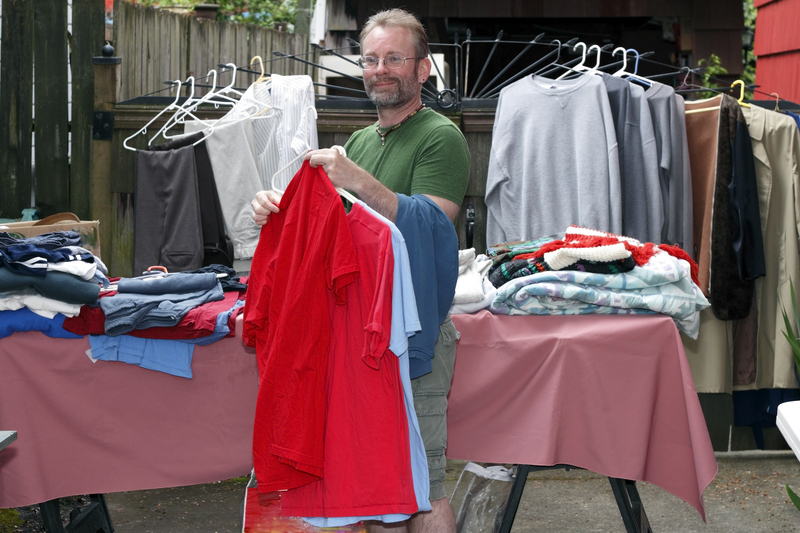
Organizing a yard sale or partnering with neighbors for a community swap can be an enjoyable and economical route for disposing of bulky waste such as old furniture, exercise equipment, or large toys. Benefits include:
- Possibility to earn some money from items you no longer need.
- Helps keep serviceable goods out of landfills.
- Reduces transport costs compared to taking items to the dump.
Tip: Organize your event on weekends for maximum foot traffic and advertise in local groups or flyers.
6. Hire a Skip or Dumpster with Community Sharing
If you have multiple bulky items or are doing a major clear-out, consider renting a skip or dumpster. To make this more affordable, team up with neighbors or friends who also have large waste to dispose of and split the rental cost.
- Find local skip providers and compare prices for different sizes.
- Check what types of waste are allowed, as some providers restrict certain materials (like electronics, chemicals, or mattresses).
- Ensure the rental period matches your disposal timeline to avoid extra charges.
Cost-saving hint: Community sharing significantly reduces individual expenses for bulk junk removal.
7. Upcycling and Creative Reuse
Before throwing away bulky items, consider whether you can upcycle or repurpose them. Popular upcycling ideas include:
- Turning old dressers into garden planters or benches
- Refurbishing wooden tables or chairs
- Salvaging materials (wood, metal, glass) for DIY projects
Benefit: Creative reuse not only saves money on disposal but can add personal value or function to your items.
8. Private Bulky Waste Collection Services
If municipal options aren't available or schedule is an issue, private companies offer bulky waste pick-up for a fee. While typically costlier, you can make it more affordable by:
- Comparing quotes from several providers
- Pooling items with neighbors
- Ensuring all items are ready for removal in one trip
Advice: Look for licensed providers with strong reviews and clear pricing policies.
9. Renting or Borrowing a Vehicle for DIY Hauling
For the most cost-conscious, do-it-yourself disposal is an option. Rent a van or borrow a friend's truck to take bulky waste to a landfill or recycling center. Ways to make this cheap include:
- Combining your trip with other errands
- Carpooling bulky items with others
- Contacting your local dump beforehand for any reduced resident rates
Tip: Always check for local rules about proof of residency and accepted materials to avoid paying more than necessary.
10. Appliance and Mattress Retailer Take-Back Programs
When purchasing a new appliance or mattress, many retailers offer removal of old units for a low fee or even free as part of delivery. Ask about this when making new purchases.
- Look for stores advertising "haul away" or "take-back" services.
- Some manufacturers and electronics stores offer recycling programs for old electronics and whitegoods.
Perk: Combining new purchases with removal is cost- and time-efficient, eliminating the need for a separate collection.
Tips for Reducing Bulky Waste and Saving Money
- Buy smarter: Choose modular or multi-use furniture that's easier to move or donate in the future.
- Schedule annual clear-outs: Prevent waste pile-up and take advantage of yearly municipal pick-up days.
- Plan disposals in advance: Avoid rush fees by grouping items and utilizing free listings and donation events.
- Check for special recycling drives: Many cities host bulk recycling or e-waste collection events throughout the year.
Conclusion: The Smart Approach to Affordable Bulky Waste Removal
Getting rid of bulky waste items doesn't have to break the bank or burden the environment. With multiple cost-effective options--from municipal pickup, donation, and online giveaways, to group skip hire and creative upcycling--it's possible to clear your space and save money. Always explore free or subsidized services first, and remember that one person's trash can be another's treasure. Not only are you saving on disposal fees, but you are also contributing to cleaner communities and a healthier planet.
For more detailed, area-specific information on bulk waste disposal and to find current deals, consult your local authority's waste management or recycling portal. For both home and business settings, taking advantage of these economical alternatives ensures you're making an informed, responsible, and budget-minded choice.
Frequently Asked Questions (FAQs) About Bulky Waste Disposal
- How do I know if my item is considered bulky waste?
Any household item too large or heavy for regular trash collection--commonly furniture, appliances, and large yard debris--is typically deemed bulky waste. Check with your local waste company for exact specifications. - Are there penalties for illegal dumping of bulk items?
Yes, illegal dumping can result in hefty fines and prosecution. Always use approved services or facilities for proper disposal. - Is there a way to recycle big waste items?
Many recycling centers and charity shops accept large goods. Call ahead to confirm, and separate materials when possible for easier recycling. - Can I get rid of my bulky waste for free?
In many areas, yes--municipal or charitable services frequently offer limited free pickups or drop-offs. Online giveaway groups are another zero-cost option.
Explore your local resources and choose the most affordable bulky item disposal option that suits your needs!